Everything You Wanted To Know About Free Energy Generators


 Free energy generator is a subject that has been gaining popularity over the years. As the world becomes more environmentally conscious, people are looking for alternative sources of energy that are sustainable and require minimal or no input of non-renewable resources. A free energy generator is a device that generates energy without any external input and can run indefinitely. While the idea of free energy may seem too good to be true, it has been a topic of research and experimentation for many years, and there are several types of free energy generators that are currently being used. In this article, we will explore the principles behind free energy generation, different types of free energy generators, their advantages and disadvantages, and potential applications.


1. Introduction to Free Energy Generator


What is a Free Energy Generator?


A free energy generator is a device that can produce energy without requiring any external fuel or power source. It is often promoted as an alternative to traditional energy sources, as it is believed to be environmentally friendly and cost-effective.

History and Development of Free Energy Generators


The idea of free energy generators is not a new one. It has been proposed and experimented with for over a century, with various inventors and scientists attempting to create a machine that can produce energy without the need for traditional fuels. However, most of these attempts have been dismissed as pseudoscience or fraudulent claims. Despite this, research on free energy generators continues, and there are many people who believe that it holds the potential to revolutionize the energy industry.

2. Principles of Free Energy Generation


Understanding the Laws of Thermodynamics


The laws of thermodynamics are fundamental principles that govern energy transformation. The first law states that energy cannot be created or destroyed, only transformed from one form to another. The second law states that the total entropy (or disorder) of a closed system always increases over time. These laws provide a framework for understanding how energy is generated and used in various systems, including free energy generators.

Types of Energy and their Conversion


There are many types of energy, including kinetic, potential, thermal, electromagnetic, and chemical energy. Free energy generators use different methods to convert one form of energy into electrical energy. For example, magnetic generators use the principle of magnetic induction to produce electrical energy, while wind turbines use the kinetic energy of wind to generate electricity.

3. Types of Free Energy Generators


Magnetic Generators


Magnetic generators use the principle of magnetic induction to produce electricity. A magnetic generator consists of a rotating magnetic field and stationary coils of wire that are placed near the magnets. As the magnets rotate, they induce an electrical current in the coils, which can be used to power electrical devices.

Wind Turbines


Wind turbines use the kinetic energy of wind to generate electricity. They consist of large blades that rotate when the wind blows, connected to a generator that converts the rotation into electrical energy. Wind turbines are often used in wind farms to generate electricity for commercial use.

Solar Panels


Solar panels use photovoltaic cells to convert sunlight into electrical energy. They are made of silicon and are designed to absorb sunlight and convert it into a flow of electrons. This flow of electrons can be used to power electrical devices or stored in batteries for later use.

Hydroelectric Generators


Hydroelectric generators use the kinetic energy of water to generate electricity. They are often built near dams or other bodies of water and work by using the force of falling water to spin a turbine connected to a generator.

Free Energy Devices and Machines


Free energy devices and machines refer to a range of experimental devices that claim to produce energy without the use of traditional fuels. These devices are often controversial and have not been widely accepted by the scientific community.


4. Advantages and Disadvantages of Free Energy Generators


Pros of Using Free Energy Generators


One of the main advantages of free energy generators is that they do not rely on traditional fuels such as coal or oil, which can be expensive and produce harmful emissions. They are also often more environmentally friendly than traditional energy sources, as they do not produce greenhouse gases or other pollutants. In addition, free energy generators can provide energy independence, allowing individuals and communities to generate their own electricity.

Cons of Using Free Energy Generators


Despite their potential benefits, free energy generators also have several disadvantages. They can be expensive to install and maintain, and may not be as reliable as traditional energy sources. They also require a certain amount of space and favorable weather conditions, such as wind or sunlight, to operate effectively.

Comparison with Traditional Energy Sources


Free energy generators offer a potential alternative to traditional energy sources, which are often reliant on non-renewable fuels and can have negative impacts on the environment. However, they are still in the early stages of development and may not be as efficient or reliable as traditional energy sources. As such, a combination of free energy generators and traditional energy sources may be necessary to meet the world's energy needs.

5. Applications and Potential Use Cases of Free Energy Generators


Residential Use and Off-Grid Living


Free energy generators can be a game-changer for those living off the grid or in rural areas with limited access to the power grid. They offer a reliable and sustainable alternative to traditional fossil fuel generators, which can be expensive and inefficient. These generators can power homes, farms, and other residential properties without the need for expensive energy bills or the use of harmful fossil fuels.

Commercial and Industrial Applications


Free energy generators can also be used for commercial and industrial applications. For example, they can power factories, warehouses, and other industrial facilities, providing an efficient and cost-effective energy source. Moreover, they can be used to reduce the carbon footprint of large corporations, while also helping them to save money on energy costs.

Transportation and Mobility


Free energy generators also have the potential to revolutionize transportation and mobility. With the growing demand for clean and sustainable transportation, these generators can be used to power electric vehicles, reducing their reliance on expensive and environmentally damaging batteries.

Emerging Markets and Developing Countries


Free energy generators can also have a significant impact on emerging markets and developing countries. These regions often lack access to reliable and affordable energy sources, which can impede their economic growth and development. Free energy generators can provide a sustainable and cost-effective energy source, enabling these countries to power their economies and improve the quality of life for their citizens.


6. Future of Free Energy Generation and Research


Current State of Research and Development


While free energy generators hold great promise, there is still much research and development needed to optimize their efficiency and reliability. Currently, there is ongoing research into improving the design and technology of these generators, with the goal of increasing their efficiency and reducing their costs.

Potential for Breakthroughs and New Discoveries


As technology continues to advance, there is potential for breakthroughs and new discoveries that could revolutionize the field of free energy generation. New materials, designs, and methods are being developed that could significantly improve the efficiency and reliability of free energy generators.

Challenges and Obstacles Ahead


There are also significant challenges and obstacles ahead for free energy generators. These include technical barriers, regulatory hurdles, and limited public awareness and adoption. However, with continued research and investment, these challenges can be overcome, paving the way for a more sustainable and efficient energy future.

7. Safety Considerations when using Free Energy Generators


Possible Hazards and Risks


Like any electrical device, free energy generators can pose risks and hazards if not used properly. These include electrical shock, fire, and explosion. It is essential to follow all safety precautions when installing and operating these generators to avoid any accidents.

Safety Precautions and Best Practices


To ensure safe installation and operation of free energy generators, it is crucial to follow all manufacturer instructions and guidelines. This includes proper wiring, grounding, and maintenance procedures. It is also recommended to have a licensed electrician install and inspect the generator to ensure it meets all safety standards.

8. Conclusion and Final Thoughts on Free Energy Generators


Summary of Key Takeaways


Free energy generators hold great promise as a sustainable and cost-effective alternative to traditional energy sources. They can be used for a variety of applications, from residential to industrial and even transportation. However, there is still much research and development needed to optimize their efficiency and reliability.

The Role of Free Energy Generators in the Future


Despite the challenges and obstacles ahead, free energy generators have the potential to play a significant role in the future of energy. They offer a sustainable, efficient and cost-effective alternative to traditional energy sources, providing a pathway to a more sustainable and eco-friendly future. In conclusion, free energy generators have the potential to revolutionize the way we generate and use energy. While they are not yet widely adopted, they offer a promising alternative to traditional energy sources. As research and development in this field continue, we can expect to see more efficient and practical free energy generators in the future. By exploring the principles and applications of free energy generators, we can better understand their potential and contribute to a more sustainable future.

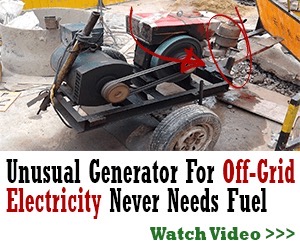
        Discover An Innovative Fuel-Free Generator for Remote Electricity Supply

FAQs


Are free energy generators a viable alternative to traditional energy sources?


While free energy generators offer a promising alternative to traditional energy sources, they are not yet widely adopted due to their limitations in terms of efficiency, reliability, and scalability. However, ongoing research and development in this field may lead to more practical and efficient free energy generators in the future.

How do free energy generators work?


Free energy generators work by tapping into the energy that exists in the environment, such as the Earth's magnetic field, wind, sunlight, or water flow. They use various mechanisms to convert this energy into usable electricity, such as electromagnetic induction, turbine rotation, or photovoltaic cells.

What are the advantages of using free energy generators?


The main advantages of using free energy generators are that they are sustainable, environmentally friendly, and can potentially provide an unlimited source of energy without relying on non-renewable resources. They can also be used in remote or off-grid locations where traditional energy sources are not available or cost-prohibitive.

What are the limitations of free energy generators?


The limitations of free energy generators include their low efficiency, limited scalability, and reliance on environmental conditions that may not always be available or consistent. They also require initial investment and maintenance costs, and may not be suitable for all types of applications, such as high-power industrial or transportation needs.


Life Itself | How to Provide Drinking Water to Everyone?

 The video discusses the global water crisis, with nearly 1.5 billion people living in areas with severe water shortages, including 450 million children.

The situation is worsened by climate change, industrial pollution, and shrinking water bodies.

To combat this, scientists have developed a technology inspired by the Namibian beetle, which collects water from the air using a mesh system.

This system is easy to install and maintain and can provide clean drinking water to areas with limited resources.

However, it is not widely implemented due to the profit-oriented nature of society.

The video advocates for a shift towards a creative society where providing comfort and security for people is the top priority.

The video invites viewers to join an international online forum in November 2022 to learn more about this vision.


AFFILIATE MARKETING DISCLAIMER: This post contains affiliate links, which means that if you click on one of the product links and make a purchase, I may receive a commission. This commission comes at no additional cost to you. Please note that I only recommend products and services that I have personally used and found valuable. The decision to purchase anything is entirely up to you and any purchases made through these links help support this blog and allow me to continue to create valuable content. Thank you for your support!


Unlocking Mental Health Treatment: Deep Brain Stimulation as a Technological Solution


1. Deep brain stimulation (DBS) involves implanting electrodes into certain areas of the brain to regulate abnormal brain impulses or affect specific cells and chemicals within the brain.

2. DBS is being researched as a possible treatment for people suffering from severe depression, which are resistant to most forms of treatment and are at high risk of suicide. 3. DBS may prevent suicides by monitoring chemical imbalances in the brain. 4. The wider implications of DBS being used within the healthcare industry may include permanently curing patients of depression who have become unresponsive to all other forms of treatment, significantly reducing suicide rates, pharmaceutical companies adjusting their product offerings to complement DBS treatments, governments introducing strict standards regulating how these chips can be used, and authoritarian governments exploring the use of such implants as a means of controlling their populations at scale. 5. Possible undiscovered side effects of DBS therapies and who will be responsible and hold liability if these DBS therapies prove to be dangerous to a person's health are open questions.


AFFILIATE MARKETING DISCLAIMER: This post contains affiliate links, which means that if you click on one of the product links and make a purchase, I may receive a commission. This commission comes at no additional cost to you. Please note that I only recommend products and services that I have personally used and found valuable. The decision to purchase anything is entirely up to you and any purchases made through these links help support this blog and allow me to continue to create valuable content. Thank you for your support!

Energy Healing: Unlock Your Body's Natural Healing Power!

Have you ever felt out of balance, physically or emotionally? Have you ever wondered why some people seem to have a natural gift for healing? The answer lies in the transformative power of energy healing.

Deep Guided Meditation: Inner Healing and Self Expression
Energy healing is a holistic approach that activates your body's natural healing process to promote physical, emotional and spiritual well-being. It works by removing blockages and restoring balance in your energy centers, also known as chakras. By doing so, it promotes the natural healing process of the body.

There are many different types of energy healing, including Reiki, acupuncture, and acupressure. All of these techniques are designed to balance the energy flow in the body and promote healing. They can be used alongside conventional medicine to complement your treatment plan.

One of the most common forms of energy healing is Reiki. Reiki is a Japanese technique that uses the hands to transfer energy to the body. It works by balancing the energy flow in the body and promoting relaxation, which can help to reduce stress and anxiety.

Acupuncture is another popular form of energy healing. Acupuncture is a Chinese technique that involves inserting thin needles into specific points on the body. This stimulates the flow of energy and promotes healing.

Acupressure is a similar technique to acupuncture, but instead of needles, it involves applying pressure to specific points on the body. This can be done using the hands, fingers or special tools.

No matter which technique you choose, energy healing can be a powerful tool to help you achieve optimal health and well-being. It's a safe and non-invasive approach that can be used alongside conventional medicine to complement your treatment plan.

In addition to receiving energy healing from a practitioner, there are many self-care practices you can use to balance your energy centers at home. These include meditation, yoga, and breathing exercises.

In conclusion, energy healing is a powerful holistic approach that can help you unlock your body's natural healing power. Whether you're looking to improve your physical, emotional or spiritual well-being, there's a form of energy healing that's right for you. Don't be afraid to try something new and discover the transformative power of energy healing for yourself.


AFFILIATE MARKETING DISCLAIMER: This post contains affiliate links, which means that if you click on one of the product links and make a purchase, I may receive a commission. This commission comes at no additional cost to you. Please note that I only recommend products and services that I have personally used and found valuable. The decision to purchase anything is entirely up to you and any purchases made through these links help support this blog and allow me to continue to create valuable content. Thank you for your support!

How can precision medicine and preventive medicine change the future of healthcare so we can live healthy, stress-free and responsible lives

 How can precision medicine and preventive medicine change the future of healthcare so we can live healthy, stress-free and responsible lives

Click the artwork to buy it at my Redbubbleshop

Precision and preventive medicine are two approaches that are changing the face of healthcare. Precision medicine utilizes individual data to offer personalized and targeted treatment options, while preventive medicine focuses on disease prevention through lifestyle changes and early detection. These approaches are quickly gaining traction in the medical community, and their potential for improving health outcomes is immense. In this article, we will delve into the advancements, benefits, and challenges of precision and preventive medicine and explore how these two approaches can work together to create a healthier future for all.

Introduction to Precision and Preventive Medicine

What is Precision and Preventive Medicine?

Precision medicine is an approach to healthcare that takes into account an individual's unique genetic, lifestyle and environmental factors to provide personalized treatment. Preventive medicine, on the other hand, focuses on preventing diseases from occurring or worsening, rather than just treating them when they happen. Both precision and preventive medicine aim to improve health outcomes, reduce healthcare costs, and promote healthier lifestyles.

History and Evolution of Precision and Preventive Medicine

Precision medicine has its roots in the Human Genome Project, which was completed in 2003. This project identified genetic variations that play a role in disease development and progression. Since then, advances in technology have allowed for more affordable and efficient sequencing of the human genome. This has paved the way for personalized treatments based on an individual's genetic makeup. Preventive medicine has been around for centuries, with ancient civilizations using practices such as quarantine during disease outbreaks. In the 20th century, public health efforts focused on vaccination programs, food safety regulations, and smoking cessation campaigns. Today, preventive medicine encompasses a wide range of strategies, including diet and exercise, regular health screenings, and lifestyle modifications.

Advancements in Precision Medicine

Genomic Medicine

Genomic medicine refers to the use of a person's genetic information to guide medical decisions. Genetic testing can identify mutations or variations in DNA that may increase the risk of certain diseases. This information can be used to develop personalized treatment plans to prevent or manage these conditions.

Personalized Treatment

Precision medicine allows for treatments that are tailored to an individual's specific needs. For example, cancer treatments can now be personalized based on the specific genetic mutations in a patient's tumor. This allows for more effective treatment with fewer side effects.

Big Data Analytics and Machine Learning

Advances in technology have allowed for the collection and analysis of large amounts of health data. This data can provide insights into disease patterns, treatment outcomes, and risk factors. Machine learning algorithms can then be used to identify patterns and make predictions about a patient's health outcomes.

The Importance of Preventive Medicine

Understanding Preventive Medicine

Preventive medicine focuses on preventing diseases before they occur. This can include measures such as regular health screenings, vaccinations, and lifestyle modifications.

The Benefits of Preventive Medicine

Preventive medicine can reduce healthcare costs by preventing the need for expensive treatments or hospitalizations. It can also improve overall health outcomes and quality of life by reducing the incidence of chronic diseases and their associated complications.

Preventive Medicine vs. Reactive Medicine

Reactive medicine focuses on treating diseases after they have already developed, while preventive medicine focuses on keeping people healthy in the first place. While reactive medicine is still necessary, preventive medicine can reduce the need for reactive treatments and improve overall health outcomes.

How Precision and Preventive Medicine Work Together to Improve Healthcare

Combining Precision and Preventive Medicine for Better Outcomes

Precision medicine can identify individuals who are at higher risk for certain diseases, allowing for targeted preventive measures. For example, genetic testing can identify individuals who are at increased risk for breast cancer, allowing for earlier and more aggressive screening.

Examples of Precision and Preventive Medicine in Practice

Precision and preventive medicine are already being used in a variety of healthcare settings. For example, the National Institutes of Health's "All of Us" research program aims to collect genetic and health data from one million people to improve understanding of how individual differences impact disease risk and treatment outcomes. Additionally, the use of wearable devices and health tracking apps can provide individuals with personalized insights into their health and allow for early detection of potential health concerns.

The Role of Technology in Precision and Preventive Medicine

Technology has been a game-changer in healthcare, and precision and preventive medicine are no exception. Through the use of advanced technology, healthcare professionals can now provide more personalized and targeted treatments to patients, based on their individual genetic makeup and risk factors for diseases. Additionally, technology has given patients greater access to healthcare information, allowing for more informed decision-making about their own health.

Emerging Technologies in Precision and Preventive Medicine

One of the most exciting emerging technologies in precision and preventive medicine is genomics. Advances in genomics have made it possible to sequence an individual's DNA quickly and affordably, providing valuable insights into their health risks and the potential for inherited diseases. Other emerging technologies include wearable devices, mobile health apps, and artificial intelligence, which can help predict and prevent diseases before they occur.

The Impact of Telemedicine on Healthcare

Telemedicine, or virtual healthcare, has been a game-changer for many patients who live in remote or underserved areas. With telemedicine, patients can access healthcare from their own homes, using video conferencing and other technologies to communicate with healthcare professionals. Telemedicine has also made it easier for patients to schedule appointments and receive care for non-emergency conditions, reducing the burden on emergency departments and urgent care centers.

Challenges and Opportunities in Using Technology for Precision and Preventive Medicine

While technology provides many opportunities for precision and preventive medicine, it also presents several challenges, including data privacy concerns, regulatory barriers, and the need for physician training and education. Additionally, the cost of advanced technologies may make them inaccessible to some patients, resulting in a potential widening of health disparities.

Impact of Precision and Preventive Medicine on Individual Health

Positive Health Outcomes

Precision and preventive medicine have the potential to significantly improve individual health outcomes. By identifying and addressing health risks before they become serious, patients can avoid costly and invasive treatments and enjoy better overall health. Additionally, personalized treatments based on an individual's specific genetic makeup can result in more effective treatments with fewer side effects.

Limitations and Challenges

While precision and preventive medicine hold promise, there are also limitations and challenges to their widespread adoption. For example, the accuracy of genetic testing may vary depending on the laboratory and the quality of the test. Additionally, many health risks are not determined solely by genetics, and environmental factors can also play a significant role.

The Future of Precision and Preventive Medicine in Individual Health Management

Despite these challenges, the future of precision and preventive medicine looks bright. Continued advancements in technology and research hold the promise of even more targeted and personalized treatments, as well as greater access to health information and services for all patients.

Challenges and Opportunities in Precision and Preventive Medicine

Regulatory and Ethical Issues

Precision and preventive medicine bring up important regulatory and ethical issues, including data privacy concerns, potential discrimination based on genetic information, and the need for informed consent from patients. Additionally, regulations surrounding the use of genomic information in healthcare may vary depending on country and region, creating additional barriers to widespread adoption.

Cost and Accessibility

Cost and accessibility remain major challenges in precision and preventive medicine. Advanced technologies may be costly, making them inaccessible to some patients. Additionally, access to healthcare services may be limited for patients in underserved areas or without adequate insurance coverage.

Education and Physician Training

Another important challenge is the need for education and training for healthcare professionals in precision and preventive medicine. As these fields continue to evolve and advance, it is crucial that physicians and other healthcare workers are equipped with the knowledge and skills necessary to provide the best possible care to their patients.

Future of Healthcare with Precision and Preventive Medicine

Transforming Healthcare with Precision and Preventive Medicine

As precision and preventive medicine continue to be integrated into healthcare, they have the potential to transform the way we approach health and wellness. By focusing on prevention and targeted treatments, we can improve the overall health of populations and reduce the burden of chronic diseases.

Opportunities and Challenges for Future Research and Development

There are many opportunities for future research and development in precision and preventive medicine, including the development of new technologies and the expansion of personalized treatments. Additionally, continued research can help identify new genetic and environmental risk factors for diseases and improve our understanding of how they interact. However, these opportunities also come with challenges, including the need for real-world evidence and the evaluation of the long-term health outcomes of precision and preventive medicine.In conclusion, precision and preventive medicine offer promising solutions to the challenges faced by the healthcare industry. These approaches have the potential to revolutionize the way we manage and prevent diseases, leading to better health outcomes and a more proactive approach to healthcare. As technology continues to advance and research progresses, we can expect to see even greater advancements in precision and preventive medicine in the years to come, ultimately leading to a healthier, happier, and more responsible society.

Frequently Asked Questions

What is precision medicine?

Precision medicine is an approach to healthcare that utilizes an individual's genetic, environmental, and lifestyle data to offer personalized and targeted treatment options. This approach allows for more accurate and effective treatment, ultimately improving health outcomes for patients.

What is preventive medicine?

Preventive medicine is a proactive approach to healthcare that focuses on disease prevention through lifestyle changes and early detection. It aims to identify risk factors and prevent the onset of disease before it occurs, ultimately leading to better health outcomes and reduced healthcare costs.

How do precision and preventive medicine work together?

Precision and preventive medicine work together to create a more proactive and personalized approach to healthcare. By utilizing precision medicine to identify an individual's risk factors and potential diseases, preventive medicine can then be employed to prevent the onset of these diseases through lifestyle changes and early detection.

What are the challenges of precision and preventive medicine?

Some of the challenges of precision and preventive medicine include regulatory and ethical issues, cost and accessibility, and education and physician training. Additionally, the integration of technology in these approaches can be complex and requires careful consideration to ensure its effectiveness and accuracy.

The Encyclopedia Of Natural Remedies - 


AFFILIATE MARKETING DISCLAIMER: This post contains affiliate links, which means that if you click on one of the product links and make a purchase, I may receive a commission. This commission comes at no additional cost to you. Please note that I only recommend products and services that I have personally used and found valuable. The decision to purchase anything is entirely up to you and any purchases made through these links help support this blog and allow me to continue to create valuable content. Thank you for your support!  

Understanding the concept of self-definition and energy alignment

 How to define yourself and align your energy to be in service to others

Click on the artwork to buy this print at my Redbubble shop

Living a life of service to others can be one of the most fulfilling and rewarding experiences one can have. However, to truly be of service, it is essential to first define yourself on your own terms and align your energy accordingly. By cultivating a sense of purpose and developing the right mindset, you can approach service with a strong foundation and a genuine desire to make a positive impact. 


In this article, we will explore the concept of self-definition and energy alignment, as well as the importance of identifying your purpose in life, cultivating the right mindset for service, and practicing self-care. We will also delve into the role of empathy in service and provide practical tips for measuring the impact of your service on others.

Understanding the Concept of Self-Definition

Defining Yourself on Your Own Terms

Do you often find yourself striving to meet the expectations of others or following the path that society has laid out for you? It's time to take back control and define yourself on your own terms. When you let others define you, you're giving away your power and limiting your potential. To truly understand yourself and your purpose, you need to take the time to know yourself. What drives you? What are your values and beliefs? What are your strengths and weaknesses? By answering these questions, you'll gain a better sense of who you are and what you want out of life.

The Impact of Self-Definition on Your Life

When you define yourself on your own terms, you gain a sense of direction and purpose. You're able to focus on what's important to you and create a life that aligns with your values and beliefs. This boost in confidence and self-esteem will help you take ownership and responsibility for your life, leading to a more fulfilling and satisfying existence.

The Importance of Aligning Your Energy

What is Energy Alignment?

Have you ever noticed how different events or people can affect your energy levels? Energy alignment is about understanding the connection between your energy and your life. It involves identifying the sources of negative energy in your life and learning how to channel your energy in a positive way. By aligning your energy, you are better equipped to serve others. You'll be able to approach situations with a clear and positive mindset, and your interactions with others will be more authentic and meaningful.

The Benefits of Energy Alignment

Living a more fulfilling life is just one of the many benefits of energy alignment. When you're aligned, you're able to build stronger and more authentic relationships, both with yourself and others. You'll also find that you're able to better serve those around you, as your energy is channeled in a positive and productive way.

Identifying Your Purpose in Life

Why is Purpose Important?

Living a life without purpose can be unfulfilling and unsatisfying. We all have a need for meaning and fulfillment in our lives, and finding our purpose can help us achieve that. By discovering your purpose, you'll be able to approach every day with a sense of direction and intention.

How to Discover Your Purpose

Reflecting on your values and passions is a great way to start the process of identifying your purpose. What do you care about? What motivates you? You can also find inspiration in your life experiences, both positive and negative. Trying new things and experimenting can also help you unearth your purpose.

Cultivating the Right Mindset for Service

The Benefits of a Service Mindset

A service mindset is about putting the needs of others first, and it offers a range of benefits. It can help improve your mental health and well-being, as well as contribute to a more positive and compassionate world. Additionally, building stronger and more meaningful relationships is a natural byproduct of a service mindset.

The Characteristics of a Service Mindset

Empathy and compassion, gratitude and appreciation, and a willingness to learn and grow are key characteristics of a service mindset. By cultivating these traits, you'll be better equipped to serve others and create a world where people look out for each other.Understanding the power of empathy in creating meaningful connections - The impact of empathy on promoting positive change - The role of empathy in bridging gaps and promoting understanding

Ways to Cultivate Empathy

- Active listening - Putting yourself in others' shoes - Seeking out diverse perspectives - Practicing empathy in daily interactions

Maintaining Boundaries While Serving Others

The Importance of Boundaries

- Recognizing the need for boundaries in service work - Understanding the impact of boundary violations on mental health and well-being - Overcoming guilt and fear around setting boundaries

Effective Ways to Set Boundaries

- Communicating clearly and assertively - Saying "no" without feeling guilty - Prioritizing self-care and personal needs - Seeking support from trusted individuals and resources

The Impact of Aligned Energy on Service

Aligning Energy for Greater Impact

- Understanding the connection between energy and service - Recognizing the power and influence of positive energy - The impact of personal alignment on the success of service work

Ways to Align Your Energy

- Practicing gratitude and positivity - Engaging in activities that bring joy and fulfillment - Surrounding yourself with positive and supportive individuals - Practicing mindfulness and intentionality in daily lifeIn conclusion, living a life of service to others is a noble and rewarding path. By taking the time to define yourself and align your energy, you can approach service with authenticity, purpose, and compassion. Remember to prioritize self-care, practice empathy, and measure the impact of your service on others. By doing so, you can make a positive difference in the world while also living a fulfilling and meaningful life.

Frequently Asked Questions

What if I'm not sure what my purpose in life is?

It's okay if you're not sure what your purpose in life is yet - many people struggle with this question. Start by reflecting on your values and passions, and consider experimenting with new activities or hobbies. Keep an open mind and be patient with yourself - discovering your purpose is a journey, not a destination.

How do I measure the impact of my service on others?

There are many ways to measure the impact of your service on others, depending on the type of service you are providing. For example, you could use surveys or feedback forms to gather feedback from the people you are serving. You could also track metrics like the number of people you have helped or the amount of money you have raised for a particular cause. Ultimately, the best way to measure the impact of your service is to stay connected with the people you are helping and listen to their feedback.

What if I struggle with empathy?

Empathy is a skill that can be developed with practice. Start by listening actively to others and trying to understand their perspective. Pay attention to nonverbal cues like facial expressions and body language. You can also try putting yourself in others' shoes and imagining how they might be feeling. Finally, remember that empathy requires an open and compassionate mindset - try to cultivate these qualities in yourself as well.

Do I have to sacrifice my own needs in order to be of service to others?

No. In fact, taking care of your own needs is essential in order to be able to serve others effectively. Practicing self-care can help you avoid burnout and maintain a sense of balance and perspective. Remember that service is not about sacrificing yourself for others - it's about working together to create a better world for everyone.


Discover the Midas Manifestation System For Consciousness Expansion


AFFILIATE MARKETING DISCLAIMER: This post contains affiliate links, which means that if you click on one of the product links and make a purchase, I may receive a commission. This commission comes at no additional cost to you. Please note that I only recommend products and services that I have personally used and found valuable. The decision to purchase anything is entirely up to you and any purchases made through these links help support this blog and allow me to continue to create valuable content. Thank you for your support!

Day 4 - Homeostasis Your Body s Inner Wisdom

Homeostasis is your body’s constant "balancing act"—the self-regulating process that maintains internal stability while you adjust...